
What Really Happens When You Massage Your Feet Before Going to Bed?
Theme:
Font Size:
After a long day of standing, walking, working, or sitting for hours, your feet may be carrying more tension than you realize. They support your entire body, absorb the pressure of every step, and help you maintain balance throughout the day. Yet despite the important role they play, feet are often one of the most neglected parts of our daily self-care routines.Many people only pay attention to their feet when they hurt, become swollen, or feel unusually tired. But what if a simple habit lasting just five to ten minutes before bedtime could help you feel more comfortable, relax your body, and prepare your mind for a better night’s rest?Massaging your feet before bed may seem like a small gesture, but it can offer several meaningful benefits. Gentle pressure, slow movements, and alittle attention to tired muscles can help relieve everyday tension and create a calming transition between the busyness of the day and the quiet of the night.Although a foot massage is not a cure for medical conditions, research suggests that massage may help with relaxation, certain types of discomfort, and perceived stress. Its effects vary from person to person, but the experience can be a valuable part of a healthy evening routine.
Here is what may happen when you make foot massage a regular habit before going to sleep.
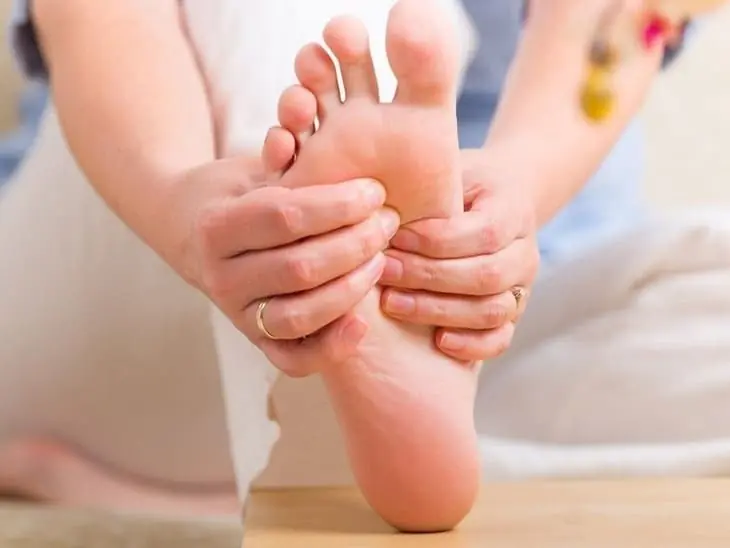
1. Your Body May Begin to Relax After a Stressful Day
One of the most noticeable benefits of massaging your feet before bed is the feeling of relaxation it can create.Throughout the day, your body responds to countless demands. Work responsibilities, household tasks, traffic, exercise, and even prolonged periods of sitting can contribute to physical and mental tension. Youyou feel more settled at the end of the day.
For people who struggle to switch off mentally before bedtime, this simple routine can become a useful signal that the working day is over and it is time to rest.
2. It May Help You Fall Asleep More Comfortably
Sleep is essential for physical recovery, memory, concentration, emotional balance, and overall health. Yet many people find it difficult to relax once they get into bed.
Sometimes the problem is not a lack of tiredness. Instead, the body feels uncomfortable, the mind remains active, or the muscles still carry tension from the day.
A gentle foot massage may help create a more comfortable environment for sleep.
Massage encourages you to pause, breathe slowly, and pay attention to physical sensations rather than stressful thoughts. This quiet activity can form part of a consistent bedtime routine, which is important because the brain often
responds well to predictable habits.Some small studies have suggested that foot massage may improve perceived sleep quality in certain groups, including older adults and people receiving medical care. However, the evidence is not strong enough to conclude that foot massage treats insomnia or reliably improves sleep for everyone.
Its potential benefit may come partly from relaxation rather than from a direct effect on the mechanisms that regulate sleep.
Try massaging your feet for five to ten minutes before getting into bed. Use gentle pressure, keep the room comfortable, and avoid bright screens during the routine.
Over time, repeating the same calming activity each night may help your body associate it with the transition toward sleep.
If you regularly experience severe insomnia, wake frequently during the night, or feel exhausted despite spending enough time in bed, foot massage should not replace an assessment by a healthcare professional.
3. It Can
Relieve Tension in Tired Feet
Your feet perform an extraordinary amount of work.
Every time you walk, climb stairs, exercise, or stand, the muscles, tendons, ligaments, and other structures in your feet help support your weight and maintain stability.
Even people who do not exercise regularly may experience foot fatigue after spending hours standing or walking. Wearing uncomfortable shoes, spending long periods on hard surfaces, or increasing physical activity too quickly can make the problem worse.
A gentle massage may help ease some of the tension associated with everyday fatigue.
You can use your thumbs to apply light pressure along the arch, move your fingers around the heel, and gently massage the ball of the foot. These movements can help loosen the feeling of tightness and make tired feet feel more comfortable.
What Really Happens When You Massage Your Feet Before Going to Bed?
Theme:
Font Size:
The sensation maybe particularly pleasant after a long workday or a period of increased walking.However, there is a difference between ordinary muscle fatigue and pain caused by an injury or medical condition. A massage should never be used to forcefully work through sharp pain.If your foot is severely painful, bruised, unusually warm, or swollen, avoid massaging it until the cause has been assessed.Throughout the day, your body responds to countless demands. Work responsibilities, household tasks, traffic, exercise, and even prolonged periods of sitting can contribute to physical and mental tension. Youyou feel more settled at the end of the day.
For people who struggle to switch off mentally before bedtime, this simple routine can become a useful signal that the working day is over and it is time to rest.
2. It May Help You Fall Asleep More Comfortably
Sleep is essential for physical recovery, memory, concentration, emotional balance, and overall health. Yet many people find it difficult to relax once they get into bed.
Sometimes the problem is not a lack of tiredness. Instead, the body feels uncomfortable, the mind remains active, or the muscles still carry tension from the day.
A gentle foot massage may help create a more comfortable environment for sleep.
Massage encourages you to pause, breathe slowly, and pay attention to physical sensations rather than stressful thoughts. This quiet activity can form part of a consistent bedtime routine, which is important because the brain often
responds well to predictable habits.Some small studies have suggested that foot massage may improve perceived sleep quality in certain groups, including older adults and people receiving medical care. However, the evidence is not strong enough to conclude that foot massage treats insomnia or reliably improves sleep for everyone.
Its potential benefit may come partly from relaxation rather than from a direct effect on the mechanisms that regulate sleep.
Try massaging your feet for five to ten minutes before getting into bed. Use gentle pressure, keep the room comfortable, and avoid bright screens during the routine.
Over time, repeating the same calming activity each night may help your body associate it with the transition toward sleep.
If you regularly experience severe insomnia, wake frequently during the night, or feel exhausted despite spending enough time in bed, foot massage should not replace an assessment by a healthcare professional.
3. It Can
Relieve Tension in Tired Feet
Your feet perform an extraordinary amount of work.
Every time you walk, climb stairs, exercise, or stand, the muscles, tendons, ligaments, and other structures in your feet help support your weight and maintain stability.
Even people who do not exercise regularly may experience foot fatigue after spending hours standing or walking. Wearing uncomfortable shoes, spending long periods on hard surfaces, or increasing physical activity too quickly can make the problem worse.
A gentle massage may help ease some of the tension associated with everyday fatigue.
You can use your thumbs to apply light pressure along the arch, move your fingers around the heel, and gently massage the ball of the foot. These movements can help loosen the feeling of tightness and make tired feet feel more comfortable.
What Really Happens When You Massage Your Feet Before Going to Bed?
Theme:
Font Size:
The sensation maybe particularly pleasant after a long workday or a period of increased walking.However, there is a difference between ordinary muscle fatigue and pain caused by an injury or medical condition. A massage should never be used to forcefully work through sharp pain.If your foot is severely painful, bruised, unusually warm, or swollen, avoid massaging it until the cause has been assessed.
4. It May Temporarily Support Local Blood Flow
Blood circulation is essential because it delivers oxygen and nutrients to tissues while helping carry away metabolic waste products.
The muscles and other tissues in your feet depend on a healthy blood supply, especially when they are working hard throughout the day.
Gentle massage creates mechanical pressure on the soft tissues. Depending on the technique and the person’s circulation, this may temporarily influence local blood flow and produce a feeling of warmth.
Some people notice that their feet feelwarmer and more comfortable after a massage.
The sensation can be especially pleasant during colder months, when feet may feel chilly after spending time in a cool environment.
However, it is important not to exaggerate this benefit. Foot massage is not a treatment for poor circulation, peripheral artery disease, or blood vessel problems. It cannot remove arterial blockages or replace medical treatment.
If your feet are frequently cold, unusually pale or blue, numb, painful when walking, or slow to heal after minor injuries, you should seek medical advice rather than relying on massage.
People with diabetes or reduced sensation should also be particularly careful because they may not recognize excessive pressure or skin injuries.
5. It May Help You Feel Less Stiff in Your Feet and Ankles
Stiffness can develop after long periods of inactivity, repetitive movements, or physical exertion.
You may notice it when you get out of bed,warmer and more comfortable after a massage.
The sensation can be especially pleasant during colder months, when feet may feel chilly after spending time in a cool environment.
However, it is important not to exaggerate this benefit. Foot massage is not a treatment for poor circulation, peripheral artery disease, or blood vessel problems. It cannot remove arterial blockages or replace medical treatment.
If your feet are frequently cold, unusually pale or blue, numb, painful when walking, or slow to heal after minor injuries, you should seek medical advice rather than relying on massage.
People with diabetes or reduced sensation should also be particularly careful because they may not recognize excessive pressure or skin injuries.
5. It May Help You Feel Less Stiff in Your Feet and Ankles
Stiffness can develop after long periods of stand up after sitting for hours, or take your first few steps after removing your shoes.
A gentle foot massage can help make the surrounding soft tissues feel more relaxed. When combined with slow ankle movements and comfortable stretching, it may improve the sensation of mobility.
For example, you can gently massage the arch of your foot and then move your ankle in small circles. You can also slowly point your toes away from your body and bring them back toward your shin.
These movements should feel comfortable, not painful.
Massage does not necessarily correct the underlying cause of stiffness. Conditions such as arthritis, tendon problems, nerve irritation, and inflammatory disorders may require specific treatment.
Still, for ordinary tightness after a busy day, a short massage combined with gentle movement may help you feel more comfortable before bed.
6. It May Reduce the Feeling of Everyday Foot Discomfort
Foot discomfortcan affect people of almost every age.
People who work in retail, healthcare, hospitality, construction, and other physically demanding occupations may spend much of the day standing. Meanwhile, people who sit for extended periods may experience stiffness from limited movement.
9. It May Help Relieve the Feeling of Heavy Feet
After a long day, some people describe their feet as heavy, tired, or full.
This sensation can occur after prolonged standing, physical activity, or extended periods in one position.
A gentle massage may temporarily improve
comfort by stimulating the soft tissues and encouraging relaxation. Some people also find that elevating their legs for a short period helps reduce the feeling of heaviness.However, massage should not be assumed to treat swelling.
Swollen feet and ankles can have many causes, including prolonged standing, medication effects, pregnancy, venous problems, and certain heart, kidney, or liver conditions.
If swelling is persistent, unexplained, or getting worse, it should be evaluated.
Sudden swelling in one leg, especially when accompanied by pain, redness, or warmth, requires prompt medical attention because it can be a sign of a blood clot. If swelling occurs with chest pain or sudden difficulty breathing, seek emergency medical help.
Do not massage a leg when a blood clot is suspected.
10. It Can Make Your Evening Feel More Comfortable During Cold Weather
Cold feet can make it difficult to settle down, particularly during winter or in rooms
or rushed, their breathing may become shallow or rapid without them realizing it.A quiet foot massage can provide an opportunity to slow down.
You might naturally begin taking longer, more comfortable breaths as you concentrate on the massage. This can make the entire experience feel more peaceful.
Try inhaling gently through your nose and exhaling slowly. There is no need to force deep breathing or follow a complicated technique.
The goal is simply to give yourself a few minutes without pressure.
Breathing exercises and massage are often used as relaxation practices, but foot massage itself should not be described as a treatment for respiratory or cardiovascular conditions.
If you experience persistent breathlessness, chest discomfort, or unusual breathing difficulties, seek medical assessment rather than attempting to manage these symptoms with a massage routine.
12. It May Support a More Consistent Self-Care Habit
Many people associate self-care with expensive products, elaborate
routines, or occasional spa treatments.In reality, some of the most sustainable habits are simple enough to repeat every day.
A five-minute foot massage requires very little preparation. You can do it while sitting on your bed, listening to quiet music, or taking a break from your phone.
Because it is easy to perform, it may be easier to maintain than a complicated evening routine.
Over time, this small habit can encourage you to pay more attention to other aspects of your health, including hydration, physical activity, sleep schedules, footwear, and skin care.
It can also remind you to notice when your body needs rest rather than pushing through discomfort.
The value of the habit is not that it solves every health problem. It is that it gives you a practical way to care for an often-neglected part of your body.
How to Massage Your Feet Before Bed
You do
inactivity, repetitive movements, or physical exertion.
You may notice it when you get out of bed,


0 Comment:
Enregistrer un commentaire